
Counting Every Bite: Wedding Catering Costs Without Surprises

Today we dive into Budget Breakdown: Traditional Catering vs. Mobile Dining at Weddings, translating confusing quotes into clear choices. You will see where money moves, how service style changes guest experience, and which options protect your budget without sacrificing flavor, timing, or joy. Expect practical numbers, real anecdotes, and smart questions you can take to tastings, truck owners, and venue managers right away.

Fixed costs that shape your quote

Fixed costs are the expenses that barely budge when your guest count changes: commercial kitchen access, equipment amortization, chef oversight, licenses, health inspections, general liability insurance, and venue compliance. Mobile operators add truck maintenance and commissary fees, while traditional teams include rentals and dishwashing. Knowing these anchors helps you compare proposals fairly and ask for substitutions that maintain standards without compromising safety or service speed.

Variable costs that grow with your guest list

Variable costs scale with mouths to feed: portions, premium proteins, disposables or china, additional servers, bussers, and bartenders, plus increased fuel or generator time for trucks. Dessert counts, late-night snacks, and extended bar service multiply quickly. This is where per-guest prices make sense but can be optimized with smart menu choices, portion control, staggered service, and clear run-of-show that prevents waste and re-fires.

The line items couples forget to ask about

Surprise charges often come from overlooked logistics: cake cutting fees, corkage, tasting fees, extended setup windows, overnight storage, power drops, water access, travel surcharges, and venue-required security. Trucks may need parking permits and generator fuel; traditional caterers may add overtime if speeches run long. Ask for a comprehensive quote that lists every possible add-on, then agree to caps or pre-approvals before signing.

Where the Money Actually Goes

Catering numbers rarely live only on the plate. Traditional kitchens carry rentals, linens, plateware, labor tiers, chef charges, and service fees. Mobile dining faces commissary costs, fuel, permits, and travel. Both models manage insurance, taxes, and minimums that can reshape your total. Understanding fixed and variable components upfront prevents sticker shock and lets you negotiate responsibly without undermining service quality or kitchen safety.

Understanding per-plate pricing psychology

Per-plate pricing feels expensive upfront but delivers predictable totals and clear inclusions: staffing, place settings, replenishment, and coordinated timelines. It reduces anxiety on the day because guests are served without decision fatigue. The challenge is ensuring portions fit your crowd, especially big appetites or late-night dancers. Build buffers with stations or sides, and verify re-fire policies before committing to premium proteins.

Ticketing mobile orders to protect your budget

Food trucks can explode budgets if guests re-queue freely. Solve this with meal tickets, color-coded wristbands, or timed service windows. Pre-select entrée categories and cap premium items. A savvy operator will propose a throughput plan, backup batch cooking, and a just-in-case warm holding strategy. Combine with water stations and roaming snack trays to keep lines friendly and energy high.

Managing portions without killing the vibe

Both models succeed when portions match energy. Too small invites grumbling; too large creates waste. Ask for gram weights or ounce counts for proteins and sides, then test at a tasting. For trucks, request a banquet portion size versus street service. Add shareable sides or late-night bites so guests feel indulged without inflating entrée costs or clogging the service flow.

Logistics That Save or Sink Your Plan

The right plan fits the terrain: loading zones, kitchen proximity, power, water, wind, and curfews. Traditional teams thrive with staging areas; trucks shine outdoors with clear access. Both depend on coordinated timelines and a rain plan. Talk early with venue managers about generators, gray water, turf protection, noise rules, and vendor parking so your spreadsheet matches reality on event day.

Menu Design, Allergen Safety, and Guest Happiness

Great food builds memories, but safety and clarity sustain smiles. Whether plated or mobile, menus should signal allergens, offer vegetarian or gluten-free options, and maintain temperature control. Traditional service excels at labeling and cross-contact protocols; trucks excel at fresh cooking with bold flavors. Both can succeed with careful planning, backup portions, and signage that reassures every guest.

Staffing, Service Style, and the Human Factor

How many people does it take to feed 150 guests?

Expect one server per two tables for plated service, plus bussers and a banquet captain. Buffets cut server counts but increase replenishment labor. Trucks may need two to three staff inside, plus a runner and floor attendants. The right ratio prevents delays, keeps surfaces tidy, and spares you from overtime triggered by slow clearing or chaotic cake service.

The cocktail hour bottleneck nobody plans for

Hunger peaks after the ceremony. If lines form, goodwill fades fast. Solve this with multiple appetizer points, mixed heights for visual flow, and roaming trays. For trucks, open two windows or pre-issue tickets by color wave. For traditional service, communicate pass patterns and refill cadence. Music, lawn games, and water stations soften waits and sustain cheerful conversations.

Clean-up, composting, and end-of-night charges

Trash, recycling, and compost logistics determine the final invoice. Traditional teams may include bussing and breakdown; trucks often require venue bins or add-on cleanup crews. Clarify who hauls waste, which liners are used, and where compost goes. Confirm sweeping, mop standards, and rental returns. Clear responsibilities stop post-midnight surprises when everyone is tired and ready to celebrate elsewhere.

Two Sample Budgets You Can Steal and Tweak
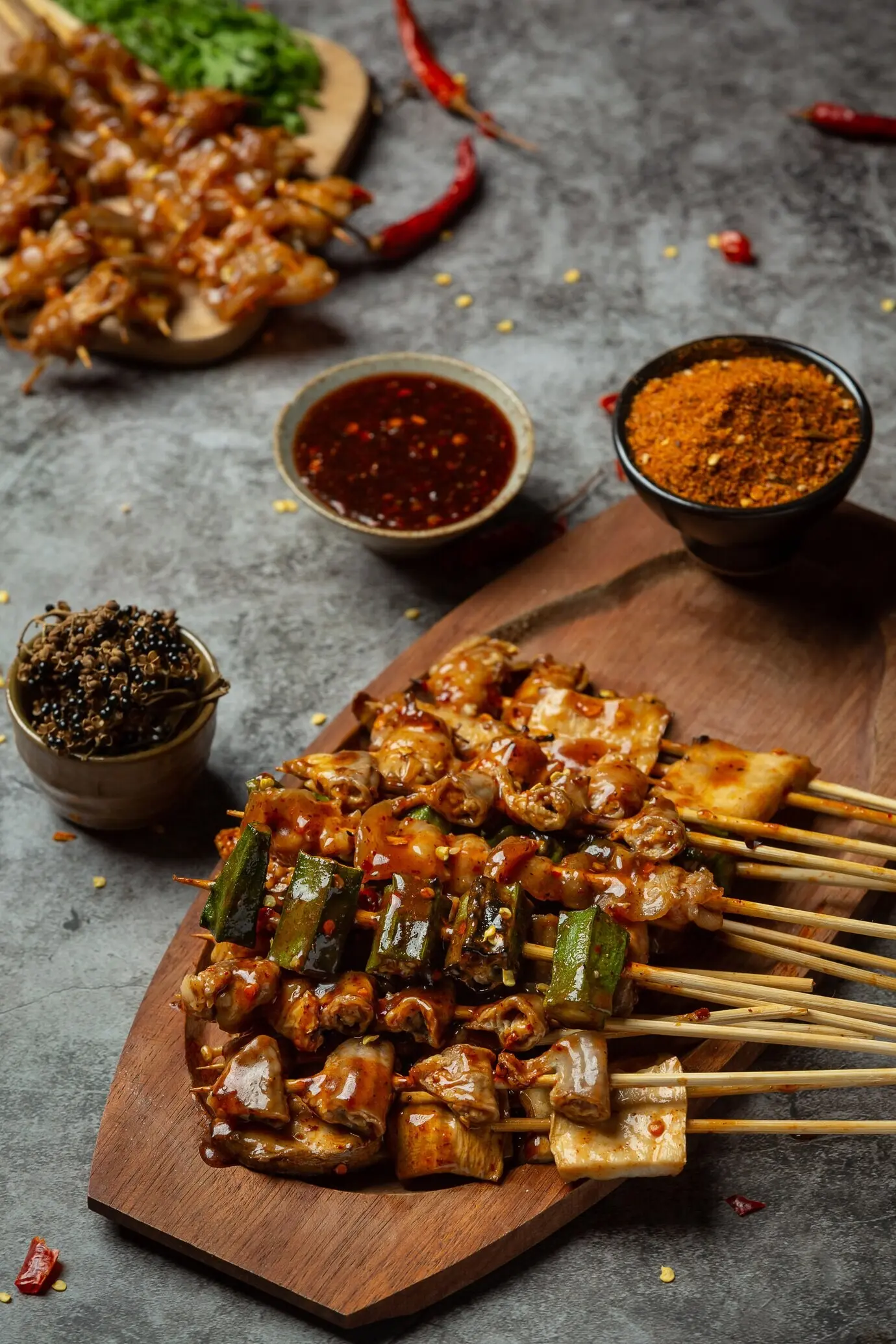
Numbers vary by city, season, and menu, but stories reveal patterns. Here are narrated examples for 120 guests: one traditional banquet with servers and rentals, one trio of trucks with ticketing and late-night bites, and a hybrid that balances formality with flexibility. Use the comparisons to set caps, negotiate substitutions, and invite quotes grounded in your priorities.
Ximinehehotizelaxahahiru
Privacy Overview

This website uses cookies so that we can provide you with the best user experience possible. Cookie information is stored in your browser and performs functions such as recognising you when you return to our website and helping our team to understand which sections of the website you find most interesting and useful.