Move with Grace: Seamless Guest Flow and Smart Seating for Pop-Up Weddings
Today we dive into guest flow and seating strategies for pop-up wedding venues, translating open fields, warehouses, galleries, and rooftops into welcoming, intuitive experiences. You will find actionable tactics for arrival, ceremony, cocktails, and reception, plus inclusive seating plans, safety considerations, and quick-change layouts. Save these insights, ask questions, and share your draft floor plan to receive practical guidance tailored to your space and guest count.

Mapping the Journey: From Arrival to Aisle

Begin by imagining the path of each person from curb to vows. Pop-up venues demand intentional wayfinding, staff posts, and frictionless checkpoints. Identify potential bottlenecks—valet, coat check, welcome drinks, restrooms—and shape gentle loops that disperse crowds. A clear site map and visible cues reduce anxiety, keep the schedule on time, and let anticipation build. Invite feedback from vendors who know the terrain, and refine until movement feels calm, obvious, and celebratory.

Ceremony Seating That Supports Vows

Seating shapes the emotional center of the day. For pop-up ceremonies, sightlines, sun angles, acoustics, and aisle width matter more than pretty chairs. Reserve accessible rows near the entrance and align speakers so voices carry without harshness. Consider semi-circles to bring loved ones closer, or chevron layouts to create intimacy in wide spaces. Program ushers who actually usher. Clear, compassionate seating lets vows land fully and photographs sparkle without obstructed faces.

Cocktails without Crowds: Bar and Mingling Layouts

Cocktail hour is where flow shines or falters. Two smaller bars often outperform one large bar, especially with mirrored menus and roaming tray service boosting distribution. Place high-tops at perimeter edges to keep centers open, and anchor conversation with small lounge clusters instead of monolithic sofas. Keep attractions—photo booth, guest book, musicians—separated to pull people naturally around the space. Done well, lines feel social, movement feels effortless, and the room breathes.

Reception Floor Plans for Pop-Up Spaces

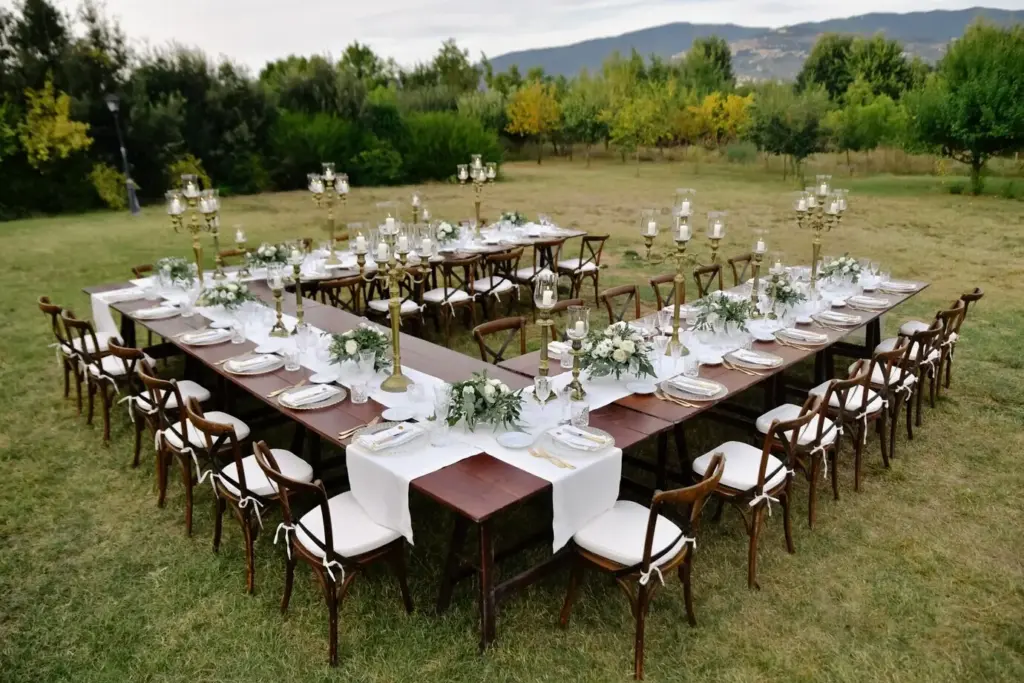
Pop-up receptions flourish with clear zones and hidden service corridors. Choose table shapes to match your service style and conversation goals, and keep generous aisles for servers with trays. Let the dance floor sit near the bar for energy, but not so close that queues block grooves. Elevate bands slightly for sound clarity, and line-of-sight the couple to as many tables as possible. When guests intuitively understand the room, the night feels effortless.
Round tables encourage inclusive conversation, while rectangles streamline space and feel modern. Banquet rows boost family-style service and create dramatic sightlines; consider mixing shapes to define sub-zones. For intimacy, keep tablemates to groups that already overlap socially. Avoid placing speakers directly beside elders. Centerpieces should sit below eye level or rise well above it. Always test chair pull-back space with fully set tables and passing trays, then adjust for realism, not diagrams.
Place the dance floor centrally to invite spontaneous participation, or flank it with sweetheart and band to create a stage-like energy. Keep high-traffic doors away from one edge to prevent drafts and constant crossing. Surround with cocktail tables for spectators. During transitions, cue lighting shifts and an audible invite from the MC. When the floor sits in visual conversation with the bar and lounge, momentum builds naturally, and even wallflowers sway eventually.
Behind every elegant room lies a quiet highway for staff. Map bus tubs, tray jacks, and entree staging so servers circulate clockwise with minimal intersections. Maintain clear egress widths and illuminated exit signs per local codes, and keep heaters, cables, and generators guarded. Store extra chairs out of sight yet fast to access. Add spill kits near bars. Thoughtful backstage planning preserves guest comfort, protects crews, and keeps celebrations compliant without ever feeling clinical.

Designing a Legible Escort Display

Alphabetize strictly by last name, not first, and separate columns with generous spacing. Print large enough to read from a polite distance, and place helpers nearby during the initial rush. Weatherproof materials for outdoor setups, and light the display from the front to avoid glare. If using objects—keys, tiles, or blooms—attach names securely. Keep a concierge copy for real-time updates. The easiest display is the one that feels delightfully obvious.

Technology That Reduces Friction

Digital tools shine in pop-up environments. QR-coded table assignments update instantly when cousins swap seats, while SMS nudges direct guests to speeches or sparkler exits. Tablets at the welcome desk handle last-minute arrivals gracefully. Keep a human backup for battery failures, and secure private data responsibly. Tech should complement hospitality, not replace it. When chosen thoughtfully, digital aids simplify decisions, shorten lines, and free everyone to savor real conversations and music.

Handling Late RSVPs and Table Reshuffles

Expect surprises. Reserve a floating table or two seats at mixed tables, marked in your chart but not obvious on the floor. Train a lead to approve swaps quickly, and provide hosts with pre-printed, blank place cards. If adding chairs, confirm server lanes remain workable. Communicate changes discreetly, with warmth. When your plan anticipates human reality, guests feel cared for, and the room’s rhythm carries on without a ripple of stress.

Operations Choreography: Staff, Vendors, and Timeline

Flow is only as good as the people executing it. Build a timeline that respects crowd pulses—arrivals, transitions, toasts—and apply generous buffers. Assign roles with radio channels, not just names on paper. Hold a pre-event huddle walking the routes, testing lighting, and practicing handoffs. Empower hosts to greet, ushers to usher, and captains to coordinate. When everyone knows their marks, guest movement reads like dance, elegant and calm under changing skies.

Timeline Anchors and Crowd Pulses

Anchor your schedule around predictable human tides, not arbitrary minutes. Allow space between ceremony and cocktails for photos, and offer a bridge activity to reduce drift. Cue speeches before dinner plates are cleared to prevent restlessness. Announce dance openings crisply, with lighting shifts guests feel. Build cushion around transport and weather windows. A timeline that listens to people—hungry, curious, joyful—lets the night breathe while staying quietly, reliably on track.

Radio Etiquette and Role Clarity

Clear channels keep chaos low. Assign one channel per department, with a lead monitoring cross-talk and passing only essentials between groups. Use names, locations, and actions in short bursts: who, where, what now. Keep chatter friendly but focused, and confirm critical messages with repeats. Provide spare earpieces, batteries, and a silent cue system for ceremonies. When language is crisp and jobs are explicit, teams solve problems before guests ever notice them.

Real-World Case Notes and Lessons Learned

On a breezy coastal bluff with 120 guests, we split arrivals between shuttle and valet, then funneled everyone past a vista bar to spread density. A semi-circle ceremony killed wind noise and preserved sightlines. Cocktail stations mirrored menus to halve lines, and a central dance floor magnetized energy. When fog rolled in, we closed windward tent walls and rerouted traffic under heaters. Share your floor plan, guest count, and challenges, and we’ll tailor advice.

What Went Right

Mirrored bars prevented long queues, and the escort display used oversized, high-contrast lists readable at dusk. Ushers actively seated elders near side aisles, while interpreters stood with clear lines of sight to vows. The dance floor sat just off the bar, sustaining momentum between sets. Service corridors kept trays invisible. Guests reported easy navigation, and the couple felt present rather than managerial. Small, planned redundancies made the event feel magic, not manic.

What We Would Change Next Time

We would add a third water station away from the dance floor, widen one service lane behind banquet rows, and pre-stage extra shawls near the windward exit. The photo booth needed more light for cue clarity. A glow-taped step by the lounge would have prevented cautious shuffles. These refinements show how honest debriefs sharpen future plans, turning near-misses into reliable systems that hold strong when weather, timing, or guest dynamics shift suddenly.

Ximinehehotizelaxahahiru
Privacy Overview

This website uses cookies so that we can provide you with the best user experience possible. Cookie information is stored in your browser and performs functions such as recognising you when you return to our website and helping our team to understand which sections of the website you find most interesting and useful.